The activewear category has expanded considerably over the past decade. What was once a narrow selection of functional pieces has become a full wardrobe category with its own aesthetic considerations, fabric technologies, and styling logic. The challenge now is not finding activewear — it is finding activewear that functions as well as it looks, and that survives the transition from gym to the rest of the day.
What follows is a guide to choosing women's activewear that earns its place in a considered wardrobe — not pieces bought for the aspiration of a workout routine, but pieces chosen for the reality of one.
Fabric
What the Fabric Needs to Do
Activewear fabric is a functional specification before it is an aesthetic one. The fabric needs to move with the body rather than resist it, manage moisture rather than hold it, and maintain its shape across repeated washing and wearing. A blend of polyester and elastane is the most reliable formula for lower-body pieces — it stretches in multiple directions, returns to its original shape, and washes without distortion.
For tops and outer layers, the moisture management question is more important. A fabric that wicks sweat away from the skin and allows it to evaporate quickly keeps the wearer more comfortable across a longer period of activity than cotton, which retains moisture and becomes heavy. Cotton activewear exists and has its place, but it is better suited to low-intensity or casual contexts than high-impact activity.
"Choose fabric for what it does first. The appearance follows."
Four Things to Check Before Buying
The waistband
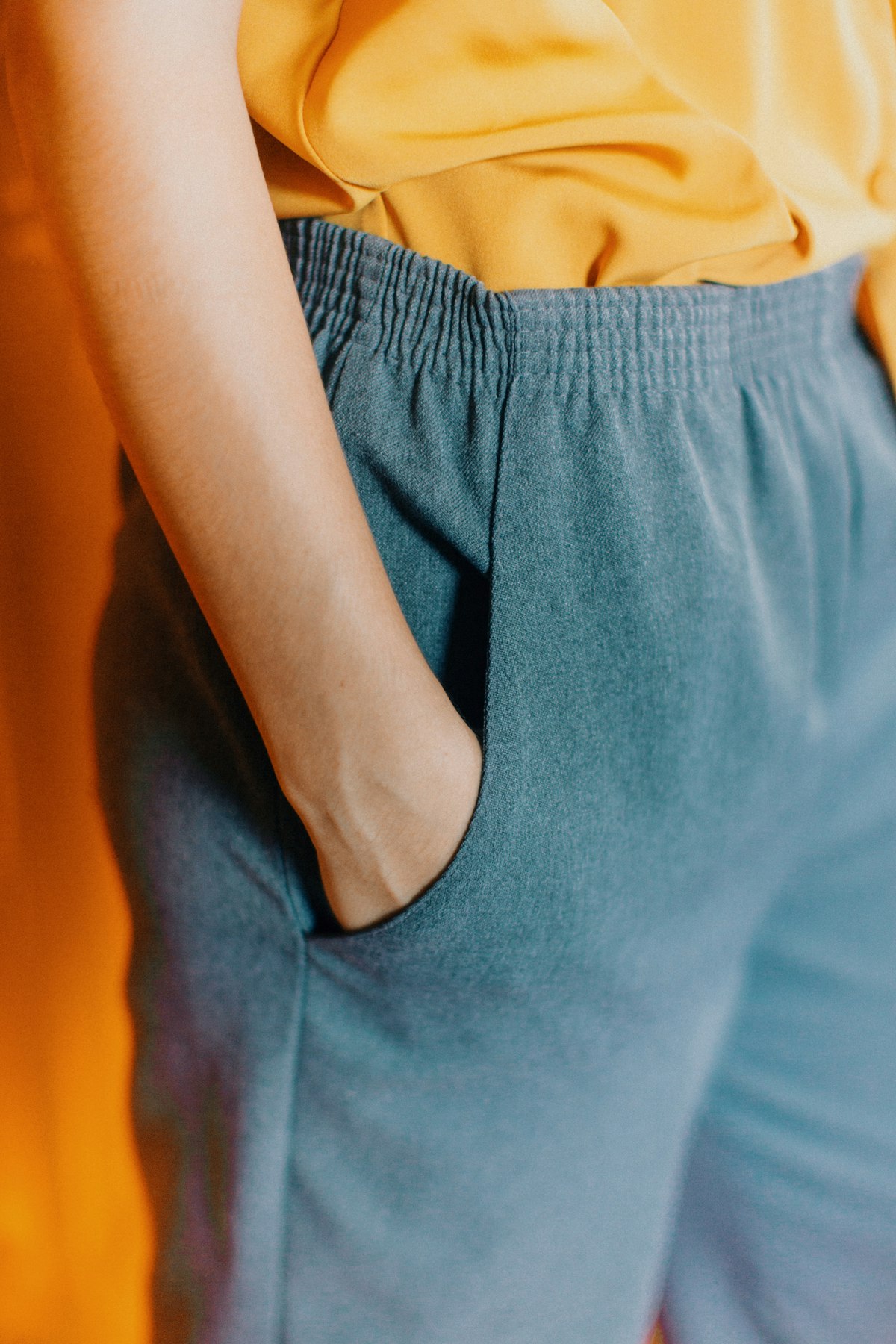
A waistband that stays in place during movement is the most important functional feature in any lower-body activewear piece. Test it by performing a range of movements — squats, lunges, bending forward. If it shifts, it will continue to shift during every session.
Opacity
Perform the squat test with any leggings before buying. Fabric that appears opaque standing can become transparent under tension. This is a construction quality issue rather than a colour issue — a well-constructed legging in any colour should maintain opacity under movement.
Seam placement
Seams placed in high-friction areas — the inner thigh, under the waistband — cause irritation during extended wear. Check where seams fall before committing. Flatlock or bonded seams cause less friction than raised seams.
Length and fit across activities
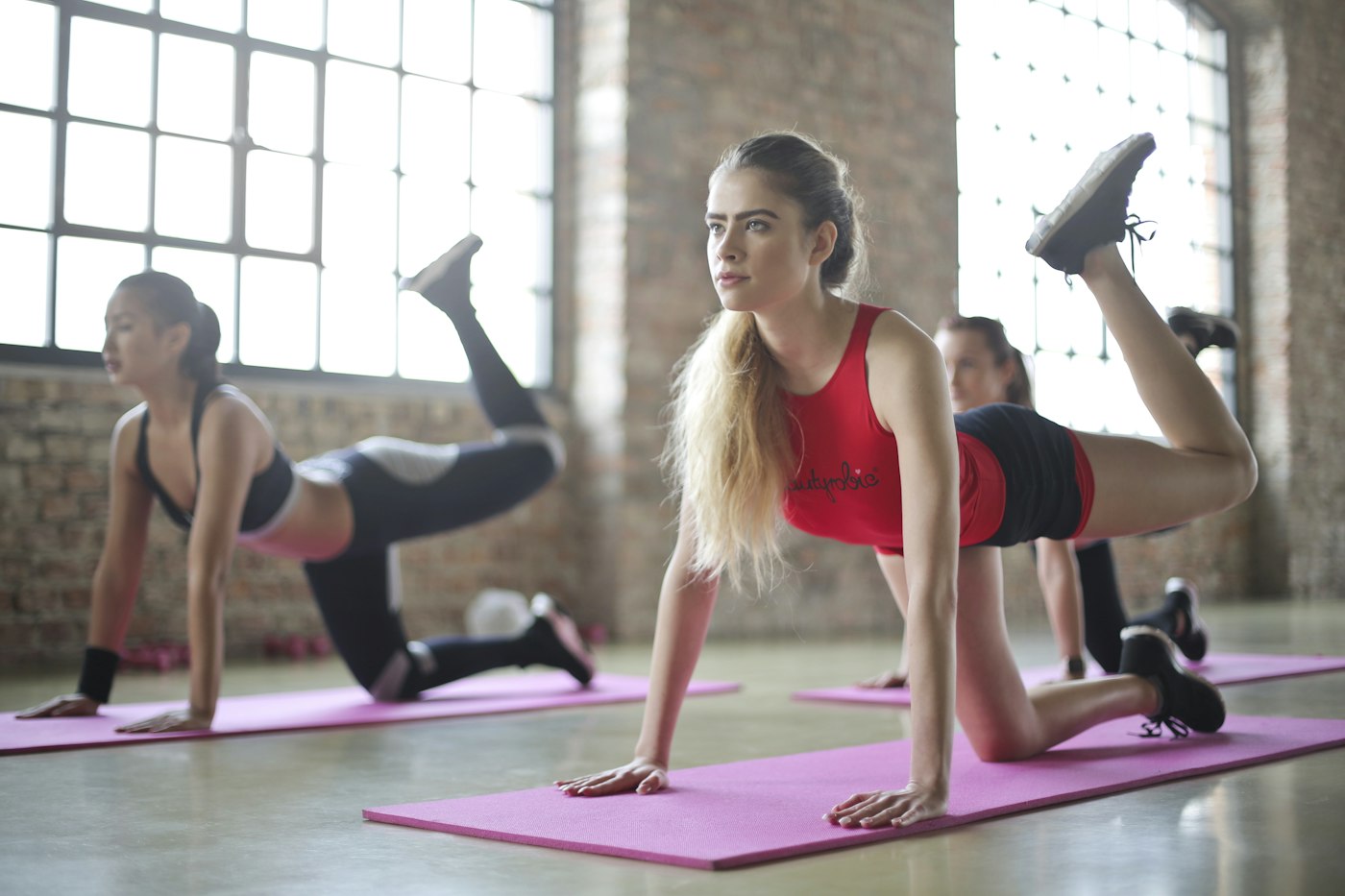
High-waisted styles provide more coverage and a smoother silhouette across most activities. Full-length leggings work for yoga and gym; cropped lengths suit running and cycling. Choose based on the activity, not just the aesthetic.
Women's Activewear
Shop the Active Edit
Sets, leggings and sports tops — at mrcwear.com